
Favorite Furniture Restoration Products For Restoring Old Pieces
Identify top-rated supplies that help you bring new life to vintage and antique furniture with ease and confidence.
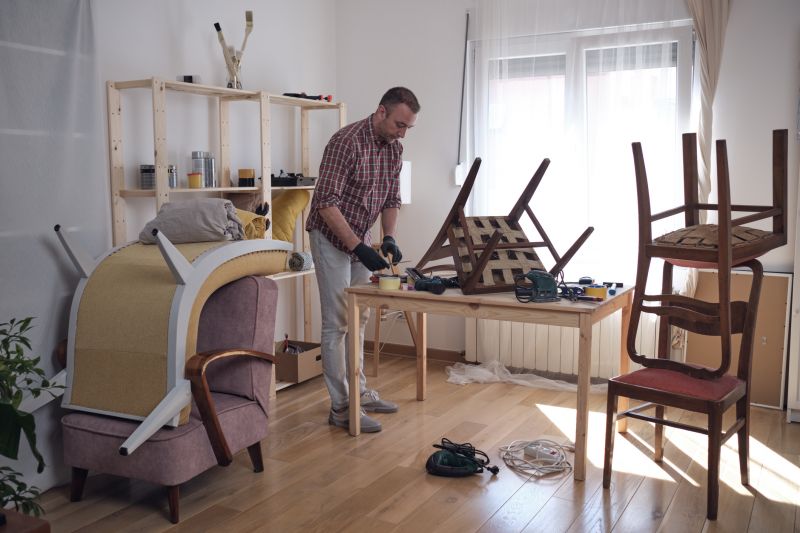 Furniture restoration is a rewarding craft that allows individuals to breathe new life into aged or damaged pieces. Whether you're refurbishing an antique chair, reviving a vintage table, or updating modern furniture, having the right products is essential for achieving satisfying results. The process often involves cleaning, repairing, refinishing, and protecting the wood or other materials involved. A well-chosen set of restoration supplies can make the work more efficient and help preserve the character of the piece.
Top Overall Option
Multi-Purpose Furniture Restoration Kit
A comprehensive restoration kit that includes a variety of essential tools and products such as wood fillers, stains, brushes, and sealants. Designed to accommodate a wide range of projects, this all-in-one set provides versatility and convenience for both beginners and experienced restorers. It helps streamline the process and ensures compatibility across different types of furniture materials.
Types of Products For Furniture Restorations
Wood Fillers and Putty
Used to repair cracks, holes, and imperfections in wood surfaces, providing a smooth base for finishing.
Sandpapers and Abrasives
Essential for smoothing surfaces and removing old finishes before applying new coatings.
Stains and Dyes
Offer color enhancement and depth, allowing customization of the furniture's appearance.
Paints and Finishes
Provide protective coatings and aesthetic appeal, available in various sheens and colors.
Sealants and Polyurethanes
Help protect restored furniture from moisture, scratches, and wear.
Brushes and Applicators
Specialized tools for applying paints, stains, and sealants evenly and precisely.
Cleaning Solutions
Designed to clean and prep surfaces before restoration work begins.
Varnishes and Lacquers
Provide durable finishes that enhance the appearance and longevity of restored furniture.
Clamps and Repair Tools
Assist in holding pieces together during repairs or glue-ups.
Protective Gear
Includes gloves, masks, and goggles to ensure safety during restoration projects.
Decoupage and Decorative Products
For adding decorative touches or patterns to furniture surfaces.
Hardware and Replacement Parts
Replacement knobs, handles, and hinges to update or restore furniture functionality.
Glue and Adhesives
Used for repairing joints and attaching loose components securely.
Popular Choices
Complete sets that include a variety of products needed for common furniture repairs and refinishing.
Convenient tools for touch-up work and color matching on small areas.
Compact electric or manual sanders ideal for detailed work and small surfaces.
Popular for finishing projects where a transparent, durable coating is desired.
Easy-to-use markers for quick repairs and color matching on scratches and imperfections.
Trending paints that help achieve antique or shabby-chic looks.
Useful for removing old finishes and paint layers efficiently.
Popular for applying stains, waxes, and finishes smoothly.
Enhances the depth and richness of wood surfaces with a soft, protective layer.
Specialized kits containing multiple tools and products for comprehensive repairs.
Popular for achieving even coats of paint or sealant with minimal brush marks.
Widely used for holding pieces during glue drying or repairs.
Great for intricate work and touch-up in tight or detailed areas.
Restoration projects can range from minor touch-ups to extensive refurbishments. For minor repairs, products such as wood fillers and touch-up pens are invaluable for concealing scratches and small holes. For more involved tasks, sandpapers and abrasives are used to smooth surfaces before applying new finishes. Finishes like stains, paints, and sealants are crucial for achieving the desired aesthetic and protecting the furniture from future damage. It's important to select products compatible with the original material and suitable for the specific restoration goal.
Proper preparation and finishing techniques are key to a successful restoration. Using high-quality brushes, applicators, and protective gear can improve the application process and ensure safety. Additionally, considering the type of wood or material, the existing condition, and the intended use of the piece will guide the selection of products. Whether you prefer a natural look or a bold new style, the right assortment of restoration products can help achieve professional-looking results at home.
Investing in versatile and reliable products can also streamline future projects, making furniture restoration an enjoyable and fulfilling hobby. From beginner-friendly kits to professional-grade supplies, there are options suitable for every skill level. Carefully selecting products based on your specific needs and the furniture's condition will ensure the best possible outcome, preserving the beauty and functionality of your cherished pieces.
Key Buying Considerations
- Identify the type of furniture material to ensure compatibility with restoration products.
- Assess the extent of damage or wear to determine the necessary supplies and techniques.
- Consider the desired aesthetic outcome, whether natural, painted, or distressed finishes.
- Choose products that match the existing finish or provide the intended new look.
- Evaluate the ease of application, especially if you are a beginner or working on detailed areas.
- Look for high-quality, durable finishes that offer good protection against future damage.
- Check for safety features, such as low VOC content or non-toxic formulations, if relevant.
- Determine if the project requires specific tools like clamps, sanding equipment, or repair kits.
- Budget appropriately by considering the cost of multi-purpose kits versus individual products.
- Read product reviews and ratings to gauge user satisfaction and effectiveness.
- Ensure proper ventilation and safety gear availability when working with chemicals or sprays.
- Consider the drying and curing times to plan your restoration schedule effectively.
- Think about storage and organization options for ongoing or future projects.
- Verify the compatibility of products if combining different finishes or repair materials.
- Select environmentally suitable products if you prefer minimal chemical emissions.
This page contains affiliate links. We may earn a commission if you purchase through these links, at no additional cost to you.